
Can You Strengthen Your Pelvic Floor Without Surgery?
Written by the Athena Wellness Clinical Team · Reviewed by our clinical team · Bentley, Perth WA
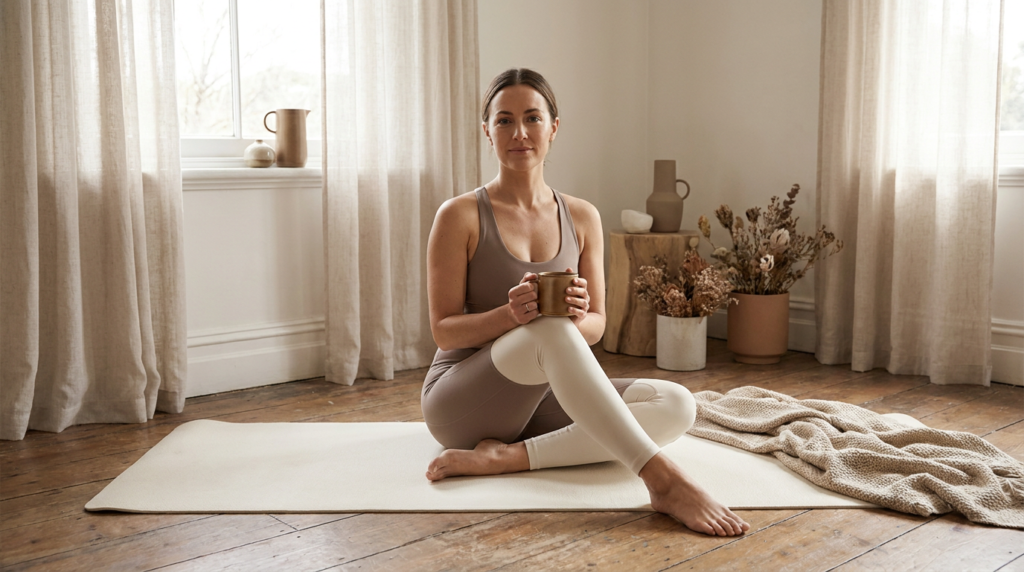
Non-surgical pelvic floor care in a private, women-only setting in Bentley, Perth.
Yes — for most women, non-surgical options are the recommended first step for a weak pelvic floor and bladder leaks. Pelvic floor physiotherapy, correctly performed pelvic floor exercises, small lifestyle changes, and technologies like EMS (such as V-Tone) may all help, and results vary from person to person. Surgery is usually only considered after these gentler approaches have been given a genuine try. The most important step is getting properly assessed, rather than self-diagnosing.
Your non-surgical pelvic floor checklist
Non-surgical options that may help
- Pelvic floor physiotherapy — a women's health or continence physio assesses your muscles and tailors a plan, ideal if you're unsure you're doing exercises correctly
- Correctly performed pelvic floor exercises — a few minutes daily, squeezing and fully relaxing, breathing normally, built into everyday moments
- V-Tone EMS — gentle electrical muscle stimulation designed to help the pelvic floor contract in a targeted way, useful if you struggle to activate the muscles yourself
- Everyday lifestyle changes — a healthy weight, avoiding constipation and straining, easing off caffeine and alcohol, and lifting with an exhale rather than holding your breath
When to seek professional advice first
- See a GP or continence physiotherapist if you have leaks, urgency, heaviness or a bulge, pain, or changes after childbirth or menopause
- Don't self-diagnose — bladder symptoms can have different causes, and the right treatment depends on what's actually going on
- If exercises aren't helping after several weeks, get assessed rather than pushing harder — it often means the technique needs correcting
- The National Continence Helpline (1800 33 00 66) is a free, confidential place to start if you'd prefer to talk first
What does your pelvic floor actually do?
If you've never really thought about your pelvic floor until something felt off, you're in good company. It's a sling of muscles that sits at the base of your pelvis, supporting your bladder, uterus and bowel, and helping you control when you wee and open your bowels. According to healthdirect, this group of muscles supports your bladder, uterus and bowel, and everyone benefits from keeping them working well throughout life.
When these muscles are working well, you barely notice them. When they weaken or lose coordination — often after pregnancy, birth, menopause, chronic coughing, heavy lifting or simply the passage of time — you might start to notice leaks when you laugh, sneeze or exercise, a sudden urge to rush to the toilet, or a feeling of heaviness low down. None of this means anything is broken beyond repair. It usually means the muscles need some attention, and that's exactly where non-surgical care comes in.
Can you really strengthen your pelvic floor without surgery?
For most women, yes — and non-surgical options are considered the first-line approach, not a consolation prize. Australian clinical guidance is clear that when bladder control problems relate to weakened pelvic floor muscles, physiotherapy and pelvic floor exercises can make a real difference. Surgery is generally reserved for situations where conservative measures haven't given enough relief, or where there's a specific structural issue that needs it.
That's genuinely reassuring news. It means the first steps are things you can begin gently, in your own time, often without any downtime at all. Results vary, and consistency matters more than intensity — but many women find that a well-guided, non-surgical plan improves their symptoms and their confidence. The key word is 'guided'. Doing the right things, in the right way, tends to work far better than guessing.
How do pelvic floor exercises work — and why do so many women get them wrong?
Pelvic floor exercises (sometimes called Kegels) involve squeezing and lifting the muscles you'd use to stop yourself passing wind or urine, holding briefly, then fully relaxing. Continence Health Australia notes that just a few minutes a day helps strengthen the muscles that support bladder and bowel control. Done correctly and regularly, they help reduce leaks and improve that sense of support.
Here's the catch: a surprising number of women unknowingly do them incorrectly — holding their breath, clenching their buttocks or tummy, or bearing down instead of lifting. If you can't feel the right muscles, or you've been doing exercises for weeks with no change, that's not a failure on your part. It's a strong sign you'd benefit from proper assessment so you know you're actually targeting the right muscles.
- Sit or lie comfortably with your thighs, buttocks and tummy relaxed
- Gently squeeze and lift the muscles around your back and front passages
- Keep breathing normally — no holding your breath
- Fully relax between each squeeze, which matters as much as the squeeze itself
- Build the habit by linking it to daily moments, like waiting for the kettle
What is pelvic floor physiotherapy, and do you need it?
A women's health or continence physiotherapist is trained specifically in the pelvic floor. Rather than handing you a generic sheet of exercises, they assess how your muscles are actually working — whether they're weak, overly tight, or simply poorly coordinated — and tailor a plan to what your body needs. This is often the missing piece for women who feel they've 'tried everything'.
You don't need to have a severe problem to benefit. Many women find physiotherapy helpful for mild, occasional leaks, for rebuilding strength after having a baby, or for learning to switch these muscles on properly for the first time. It's a practical, evidence-based starting point, and a physio can also flag if something needs a GP or specialist review. If you're unsure where to begin, this is often the most sensible first door to knock on.
Can EMS technology like V-Tone help your pelvic floor?
EMS stands for electrical muscle stimulation. In pelvic floor care, a device such as V-Tone is designed to deliver gentle electrical impulses that prompt the pelvic floor muscles to contract — essentially helping the muscles 'exercise' in a targeted, guided way. It's a non-surgical, comfort-focused option that some women explore alongside, not instead of, learning good technique.
It can be especially appealing if you struggle to find or activate the right muscles on your own, or you'd value structured support while you build strength. As with any treatment, it isn't right for everyone, and results vary — which is why we always start with a proper assessment to check it suits your situation. If you'd like to understand how it works in more detail, our dedicated V-Tone page walks through what to expect.
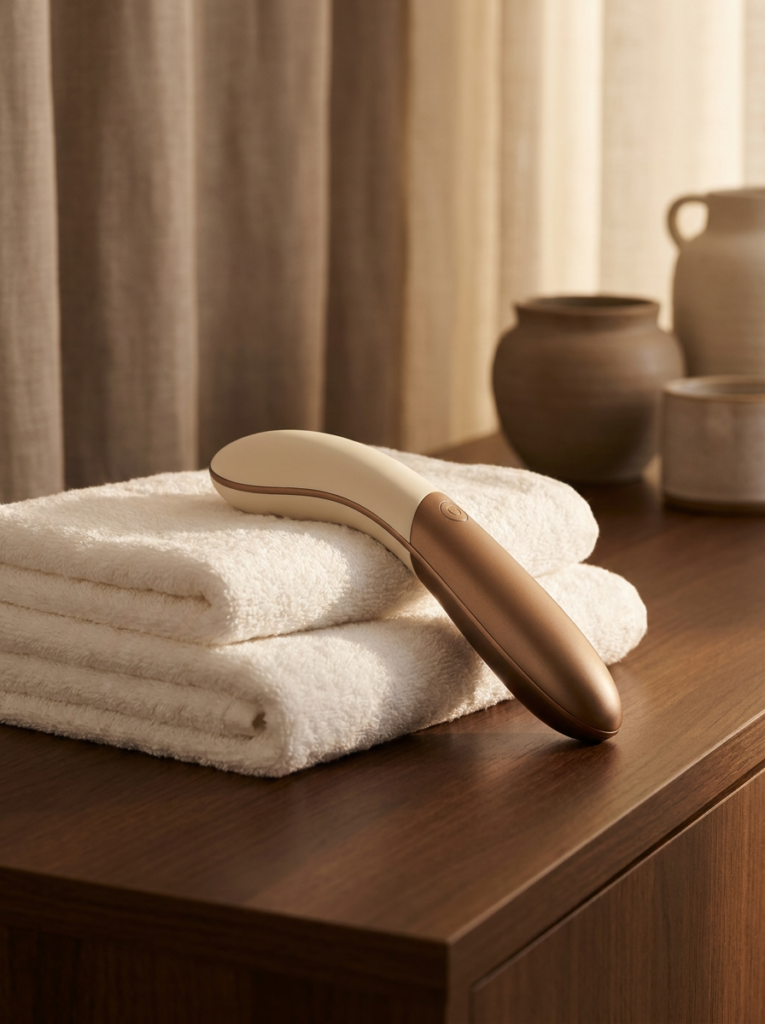
The V-Tone device used for gentle, non-surgical pelvic floor stimulation at Athena Wellness, Perth.
EMS is designed to support your pelvic floor muscles, not replace good technique or professional assessment. It's one option among several, and suitability is always checked first.
Which everyday habits support — or quietly strain — your pelvic floor?
Small daily choices add up. Healthdirect highlights that maintaining a healthy weight, treating constipation, avoiding bladder irritants like caffeine and alcohol, spreading your fluids evenly through the day, and quitting smoking can all support bladder control. Chronic straining on the toilet and repeated heavy lifting with poor technique can work against you over time.
You don't need to overhaul your whole life overnight. Often it's a few gentle adjustments — softer stools so you're not straining, a little less coffee, exhaling as you lift rather than holding your breath — that take pressure off these muscles day to day. Paired with the right exercises or physiotherapy, these habits give your pelvic floor the best chance to respond.
When should you see a GP or continence physiotherapist?
Please don't wait until symptoms feel 'bad enough'. It's worth seeking advice if you're leaking urine, feeling a sudden urgent need to go, noticing heaviness or a bulge, experiencing pain, or simply feeling that something has changed since having a baby or going through menopause. Australian guidance is simple and kind here: see your doctor if you're having trouble controlling your bladder.
Getting assessed also matters because bladder symptoms can have different causes, and self-diagnosing can send you down the wrong path. A GP or continence physio can work out what's actually going on and point you toward the approach most likely to help. The National Continence Helpline (1800 33 00 66) is another free, confidential place to start if you'd like to talk it through first.
- Leaks when you cough, laugh, sneeze or exercise
- A sudden, hard-to-defer urge to pass urine
- A feeling of heaviness, dragging or a bulge in the vaginal area
- Any pain, or a noticeable change after childbirth or menopause
- Symptoms that aren't improving despite doing exercises regularly
What might getting started at Athena Wellness look like?
We're a women-only regenerative aesthetics and wellness clinic in Bentley, Perth, and we know how personal this is. Many women quietly put up with bladder leaks or that heavy feeling for years because it feels awkward to raise. A consultation is simply an unhurried, private conversation about what you're noticing and what you'd like to feel more confident about — no pressure, no judgement.
From there, we can talk through the non-surgical options that may suit you, including where something like V-Tone EMS might fit, and help you understand realistic expectations. If your situation would be better served by a GP, continence physiotherapist or imaging first, we'll happily say so. To ask a question or arrange a consultation, call our reception team on (08) 6116 1285 or email reception@athenawomensclinic.com.au.
Frequently asked questions
Can pelvic floor exercises really fix incontinence without surgery?
For many women with a weakened pelvic floor, exercises and physiotherapy can make a meaningful difference and are considered the first-line approach. Results vary, and consistency matters. Surgery is usually only considered if conservative options haven't given enough relief. A proper assessment helps set realistic expectations for your situation.
How long before I notice a difference from pelvic floor exercises?
Many women start to notice changes within a few weeks to a few months of doing them correctly and regularly, though this varies. If you've been exercising consistently with no change, it often means the technique needs correcting — which is a common and fixable issue best sorted with a physio.
Am I doing my pelvic floor exercises correctly?
A lot of women unknowingly hold their breath, clench their buttocks or tummy, or bear down instead of lifting. If you can't feel the right muscles or aren't seeing any change, that's a strong sign to see a continence or women's health physiotherapist who can check your technique properly.
What is V-Tone and how does it work?
V-Tone is a device that uses EMS — gentle electrical muscle stimulation — designed to prompt the pelvic floor muscles to contract in a targeted way. It's a non-surgical option some women explore alongside good technique, particularly if activating the muscles on their own is difficult. Suitability is always assessed first.
Is EMS for the pelvic floor painful?
It's designed to be a comfortable, gentle experience rather than a painful one. Sensation varies between women, and your comfort is checked throughout. As with any treatment it isn't suitable for everyone, so an assessment beforehand is important to make sure it's appropriate for you.
I've had a baby — when can I start working on my pelvic floor?
Gentle pelvic floor awareness can often begin soon after birth, but the right timing and approach depends on your individual recovery and birth. It's best to check with your GP, midwife or a women's health physiotherapist, who can guide you on what's safe and appropriate for your body.
Do bladder leaks after menopause need a different approach?
Hormonal changes around menopause can affect the pelvic floor and bladder, so symptoms at this stage are common and worth addressing. The non-surgical options remain relevant, and a proper assessment helps tailor them. Your GP can also discuss whether other menopause-related factors are contributing.
Can lifestyle changes alone improve my pelvic floor?
Lifestyle changes — a healthy weight, avoiding constipation and straining, easing off bladder irritants and lifting with good technique — supports your pelvic floor and are worth doing. For many women, though, combining them with the right exercises or physiotherapy gives better results than lifestyle changes alone.
When should I see a doctor about bladder leaks?
See your GP or a continence physiotherapist if you have leaks, urgency, heaviness or a bulge, pain, or noticeable changes after childbirth or menopause. Australian guidance is simply to see your doctor if you're having trouble controlling your bladder — you don't need to wait until it feels severe.
Do you offer these services to men or only women?
Athena Wellness is a women-only clinic in Bentley, Perth. Our space and care are designed specifically for women, which many find makes conversations about intimate concerns like bladder health feel far more comfortable and private.
How do I book a consultation at Athena Wellness?
You can arrange a private, unhurried consultation by calling our reception team on (08) 6116 1285 or emailing reception@athenawomensclinic.com.au. We'll talk through what you're noticing and which non-surgical options may suit you, with no pressure.
Related care across the Athena family: pelvic and postpartum women's health care · pelvic ultrasound assessment. Ask our shared Bentley reception and we'll point you to the right team.
Sources
Related reading
 Written by the Athena Wellness Clinical Team
Athena Wellness is a women-only regenerative aesthetics clinic in Bentley, Perth. This article is general information reviewed by our clinical team and last reviewed on 2026-07-18.
This information is general in nature and is not medical advice or a substitute for a consultation. Individual circumstances differ and results vary from person to person. Please speak with a qualified health practitioner about your own situation.
Have a question about your own situation?
Speak with a woman on our team — no pressure, no obligation. Learn more about intimate wellness treatments.